
How to Use Fitness Calculators Without Obsessing Over the Numbers
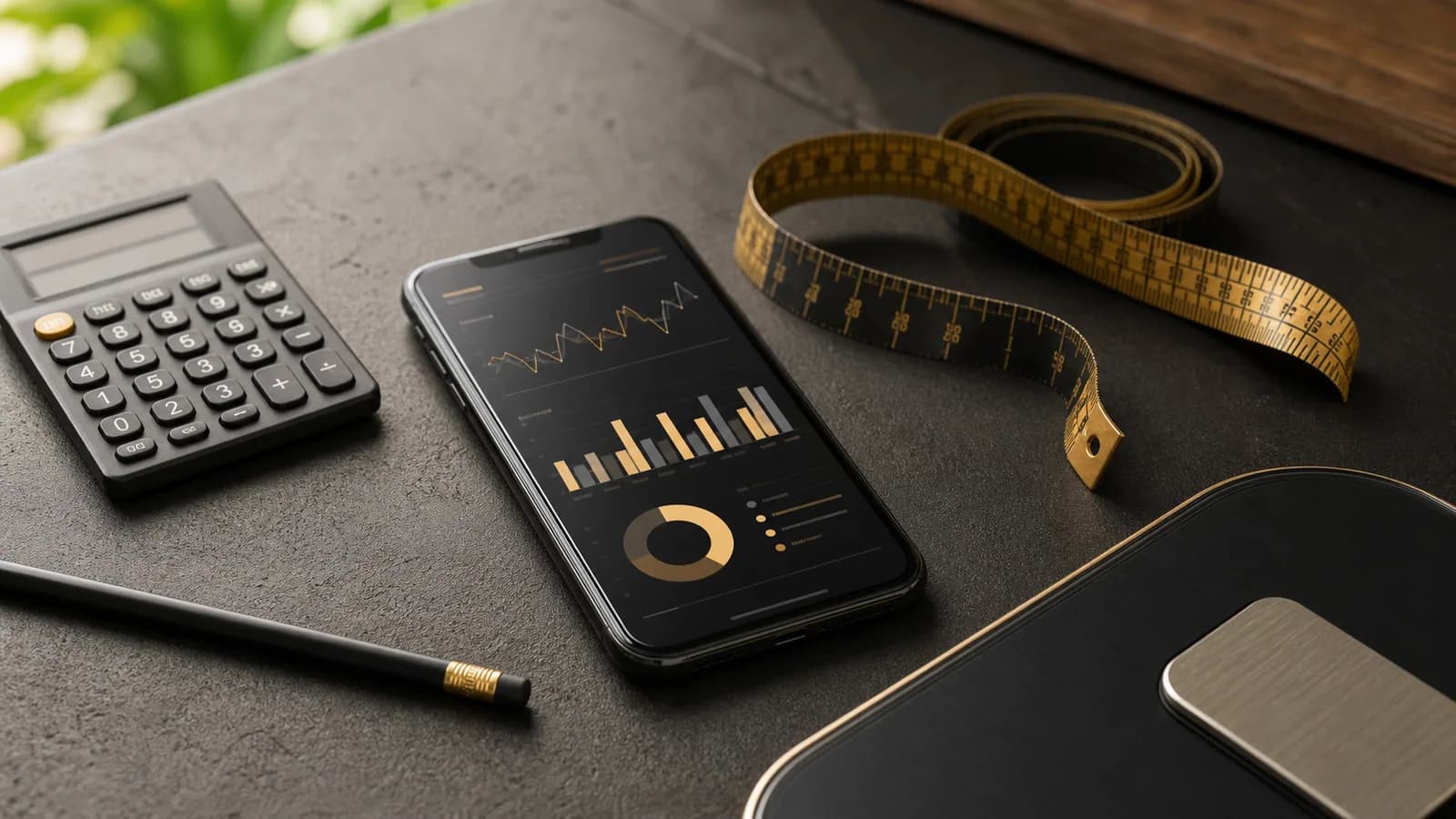
Fitness calculators can be helpful. A calorie calculator can give you a starting point. A protein calculator can clarify a useful range. A BMI or body-fat estimator can provide context. A hydration or step tool can make daily habits easier to understand.
The problem begins when estimates become identity. No calculator knows your full health history, food preferences, stress, sleep, training quality, or how your body responds over time. The number is a guide, not a judgement.
This article explains how to use fitness calculators responsibly so they support better decisions without creating obsession or false certainty.
Key takeaways
- Fitness calculators provide estimates, not medical or personal prescriptions.
- Use numbers as starting points, then adjust based on real-world response.
- One measurement should never define your progress.
- Coaching can help interpret numbers without overreacting to them.
What calculators are actually good for
A good calculator gives you a starting point. If you have no idea how much protein to aim for, how many calories might maintain your weight, or what heart-rate zones roughly mean, a tool can make the first decision clearer.
That clarity is useful because it reduces guesswork. But it does not replace observation. Your progress, energy, hunger, performance, and consistency matter more than whether a formula looks perfect.
Avoid single-number thinking
No single number explains your fitness. BMI does not show muscle mass or body composition. Calories are estimates. Body-fat tools can vary. Step targets depend on lifestyle. Heart-rate zones are approximate.
Use several signals together. If your strength is improving, clothes fit better, energy is stable, and your routine is consistent, that may matter more than a single imperfect metric.
Adjust based on trends, not one day
Your body weight can change from water, salt, hormones, travel, heat, and digestion. One day of data rarely means much. Look at trends over two to four weeks before making big changes.
This is where coaching can help. A coach can separate normal fluctuation from a pattern that needs adjustment, reducing the chance of overcorrecting.
How to use the tools calmly
Use a calculator, write down the result, choose one practical action, and review later. For example, use a protein calculator to improve breakfast and lunch consistency, not to judge every meal.
If tracking numbers makes you anxious, simplify. Some people do better with habit targets than detailed tracking. The right method should help you act, not make you feel trapped.
Helpful next links
Continue into the most relevant service, landing page, or booking option from this topic.