High-Protein Mauritian Foods and Meal Ideas for Strength and Recovery
Protein supports muscle repair, training adaptation, and satiety, but many people make it more complicated than necessary. A useful plan does not require a bodybuilder menu or imported supplements at every meal.
Fish, eggs, chicken, dairy, lentils, beans, tofu, and familiar Mauritian dishes can all contribute. The practical goal is to distribute protein across the day while keeping meals enjoyable and appropriate for your health, preferences, and budget.
Key takeaways
- Include a clear protein source in two to four meals or snacks each day.
- Local fish, eggs, pulses, dairy, poultry, and soy foods are practical options.
- Balance the plate with vegetables, fruit, and carbohydrates that support training.
- Supplements are optional convenience, not a requirement for progress.
Start with accessible protein sources
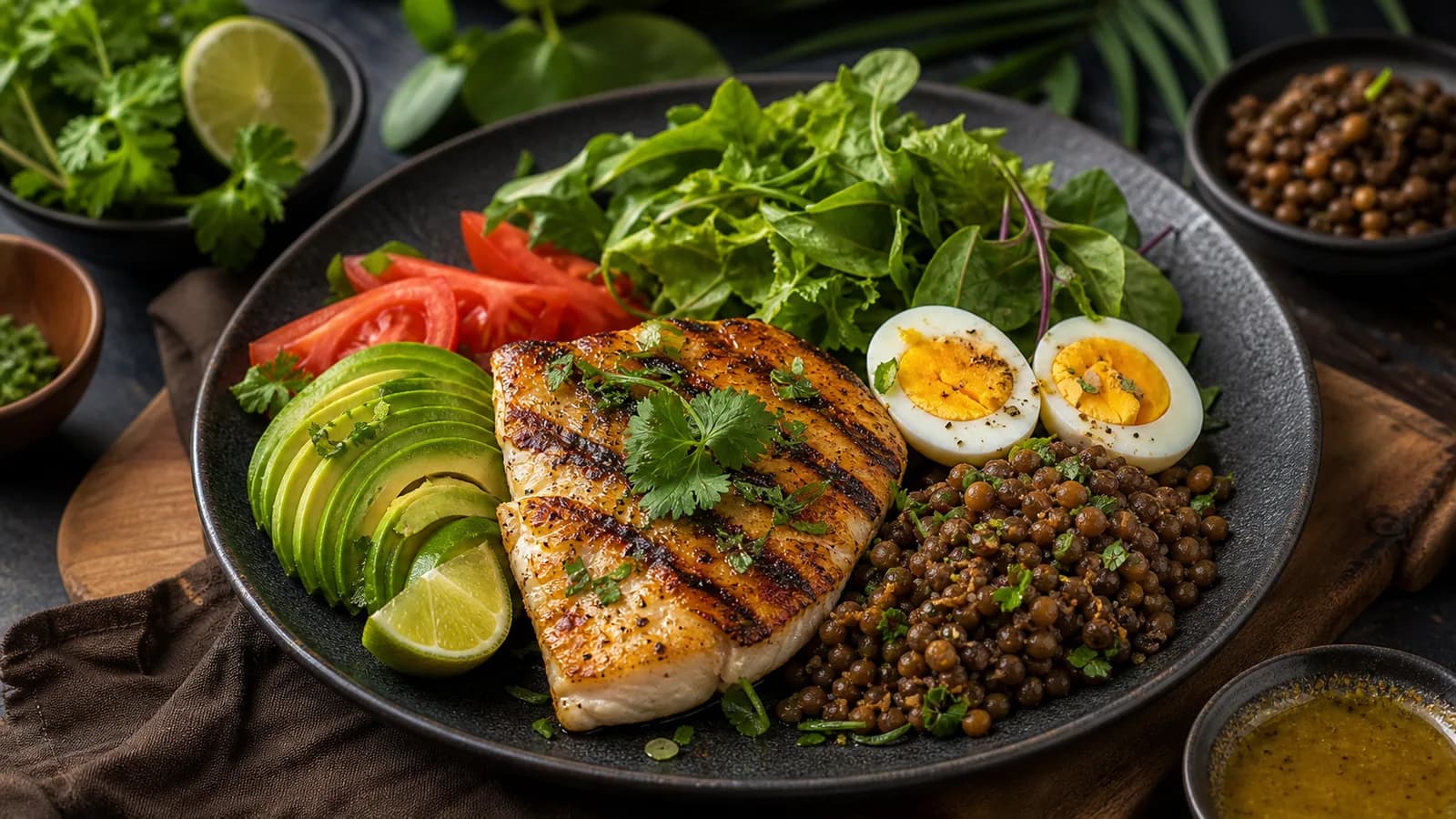
Fresh or frozen fish, eggs, skinless chicken, plain yoghurt, milk, cottage-style cheeses, lentils, beans, chickpeas, and tofu can all anchor a meal. Choose portions based on your appetite, body size, and overall plan rather than assuming one serving fits everyone.
Plant proteins remain valuable. Combining pulses with grains across the day supports a varied intake, while tofu and soy products can make a vegetarian meal easier to structure. Variety also prevents the routine from feeling restrictive.
Build familiar meals instead of a separate fitness diet
Try grilled fish with rice and a generous salad, an egg-based breakfast with fruit, chicken or tofu in a vegetable-rich curry, or lentils paired with vegetables and a measured serving of rice or roti. Adjust oils and portions to match your goal.
For busy days, yoghurt with fruit, boiled eggs, tuna with wholegrain bread, or leftovers from a planned dinner can reduce reliance on convenience snacks. The best meal preparation strategy is often cooking an extra portion of food you already enjoy.
Spread protein across the day
A very large dinner cannot always compensate for protein-free meals earlier in the day. Including a meaningful source at breakfast, lunch, and dinner gives the body repeated opportunities to support recovery and usually improves fullness.
The exact timing around a workout is less important than consistent daily intake. A balanced meal within a few hours before or after training is adequate for most recreational clients.
Keep individual health needs in the plan
Protein targets vary. Training volume, age, body size, total energy intake, and preferences all influence what is appropriate. More is not automatically better, and supplements should not displace a varied diet.
If you have kidney disease, digestive problems, allergies, pregnancy-related needs, or a medically prescribed diet, seek guidance from a qualified dietitian or healthcare professional. Fitness coaching can support habits but should respect that boundary.
Helpful next links
Continue into the most relevant service, landing page, or booking option from this topic.